Before there was a country,
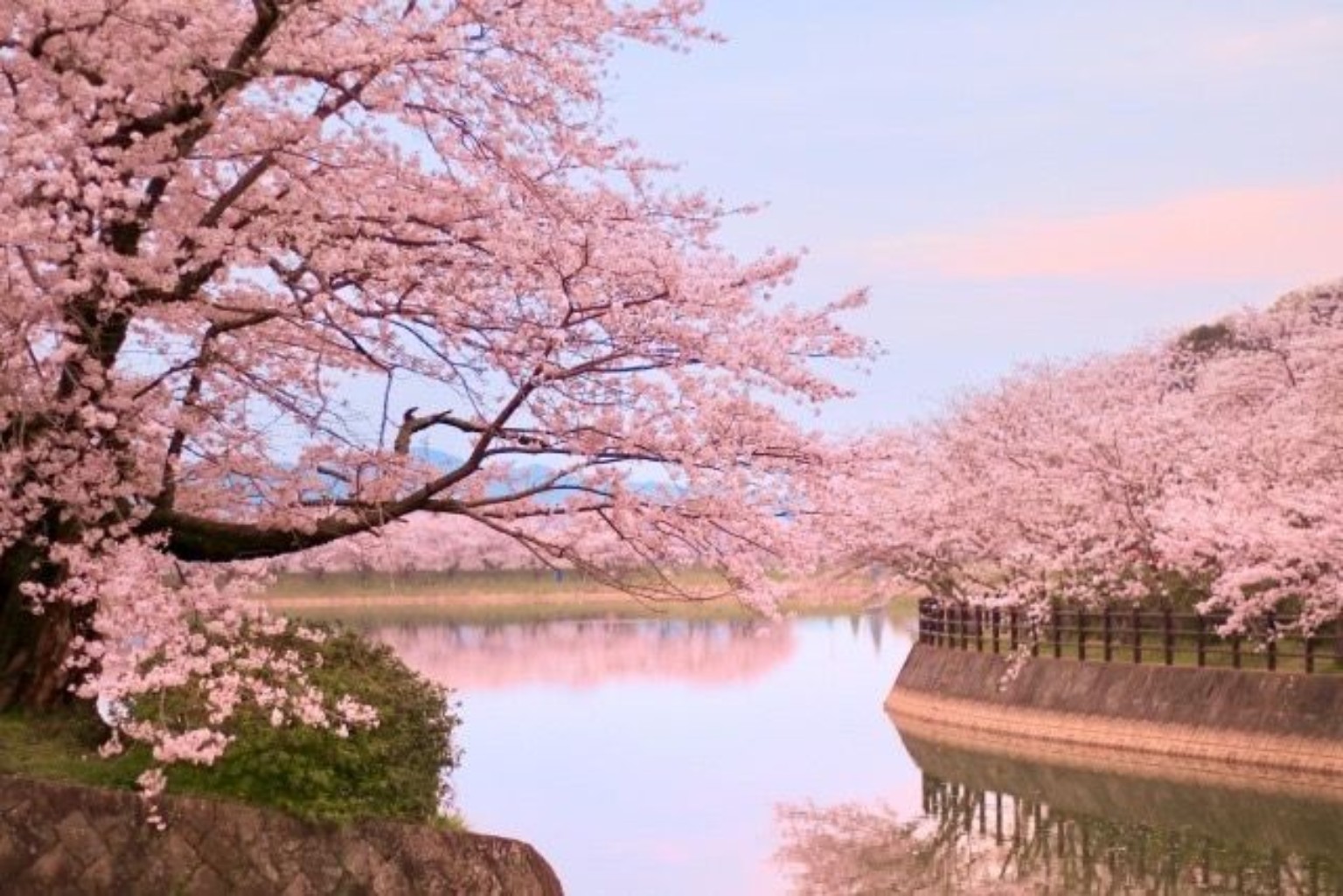
there was water.
Before there was a road,
there was no one
to ask where it led.
The sky had no mountains beneath it.
The sea had no shore
against which to remember its name.
And in the darkness,
the makers spoke.
Tepeu and Gucumatz
gathered their thoughts.
Heart of Heaven
entered their counsel.
They spoke of the earth,
and the earth appeared.
Mountains rose from the water.
Valleys opened.
The pines lifted their branches
toward a light
that had not yet arrived.
Thus the world began:
not with a sword,
not with a boundary,
but with a conversation.
And I wonder
whether the mountains
have ever forgotten
that they were spoken into being.
The makers gave the animals
their places.
To the deer, the ravine.
To the bird, the branches.
To the jaguar, the forest.
And when they asked
to hear their names,
the creatures answered
with the voices they possessed.
The deer called.
The bird cried.
The jaguar gave the darkness
its own terrible music.
But these were not the words
the makers had desired.
And so the animals
were left to their appointed places
and to the hunger of others.
The work continued.
From mud came a figure
that could not withstand the rain.
Its face fell.
Its body softened.
The earth reclaimed
what the earth could not sustain.
Then came the people of wood.
They walked.
They spoke.
They filled the land
with children and houses.
But they did not remember
those who had fashioned them.
Nor did they hear
the suffering beneath their hands.
The dog remembered hunger.
The grinding stone remembered
the weight of every morning.
The cooking pot remembered fire.
And when the world
rose against the wooden people,
even the things
that had been made to serve
found voices.
I have thought often
of those stones.
How long must a thing be used
before someone wonders
what it remembers?
How long must a mouth remain silent
before its silence
is mistaken for consent?
The flood came.
The wooden people fell.
And the world
was not yet finished.
Beneath the earth
lay Xibalba.
There the lords of death
had prepared their houses:
darkness,
cold,
fire,
jaguars,
knives,
and the terror of the bat.
They had made an order
of suffering.
They had given fear
its appointed rooms.
And those who entered
were expected
not to return.
But Hunahpu and Xbalanque
descended into that country.
They entered the place
where their fathers
had been defeated.
They learned its trials.
They endured its dangers.
They answered deception
with cunning,
and death
with a return
the lords had not imagined.
For even in Xibalba,
power had mistaken
its customs
for the limits of the world.
The brothers overcame
the rulers of that darkness.
They honored their fathers,
whose names would not be lost.
And afterward
they rose into the heavens.
One received the sun.
The other, the moon.
The sky received its lights.
And the story
continued.
The makers gathered again.
There had been earth.
There had been wood.
There had been creatures
who could walk and speak
but could not become
what their makers intended.
And now the animals came
with word of abundance.
The mountain cat.
The coyote.
The parrot.
The crow.
Beyond the mountains,
at Paxil,
there was yellow maize
and white maize.
The animals showed the way.
And Xmucane,
the grandmother,
ground the grain.
From its nourishment
came the substance of humanity.
Not from gold,
which cannot feed a child.
Not from stone,
which remembers every blow
but offers no bread.
From maize.
From what must be planted.
From what must receive rain.
From what must be gathered
by hands that know
the patience of the earth.
From yellow maize
and white maize
came flesh.
From maize came strength.
From maize
the arms and legs
of the first four men.
Balam-Quitze.
Balam-Acab.
Mahucutah.
Iqui-Balam.
They stood upon the earth.
They spoke.
They heard.
They understood.
And when they opened their eyes,
the world did not end
at the horizon.
They saw the distant mountains.
They saw the valleys
beyond the mountains.
They saw the forests,
the waters,
the farthest reaches
of the earth.
What was hidden by distance
was not hidden from them.
They knew what was near
and what was far.
And they gave thanks.
Remember this.
They gave thanks.
O first fathers,
you who were made from maize
before your descendants
had planted their fields,
what did you see
when you turned your faces
toward the whole earth?
Did one of you look
beyond the last mountain
and discover another?
Did another find
that no country was distant
while the eyes remained open?
Did you know,
even for that brief hour,
what it meant
to possess no horizon?
The story tells us
you understood the world.
The story tells us
you thanked your makers.
But the makers
were troubled.
They looked upon you
and wondered
whether the created
had become too like
those who created them.
Your sight reached too far.
Your understanding
was too complete.
And so they gathered
in counsel again.
I have a question
for the mist.
Not for the mountain.
Not for the sea.
Not for the maize
that gave its body
to the first people.
For the mist.
Who taught you
to distinguish
between what a person
may see
and what a person
may be permitted to know?
You came
at the breath
of Heart of Heaven.
You passed across their eyes
as breath passes
over a mirror.
And where the world
had stretched open
in every direction,
there remained
only what was near.
The mountains did not vanish.
The valleys were not destroyed.
The distant waters
continued beneath the sky.
Nothing had happened
to the farthest country.
Only the eyes
could no longer reach it.
And this is a sorrow
I have known
in other stories:
the world remains,
but someone has decided
how much of it
another may behold.
I will not say
the makers were without wisdom.
I was not present
at their counsel.
Nor will I claim
to possess the whole meaning
of a sacred story
carried by another people
through centuries of memory.
But I will not pretend
the question has disappeared
because the story is ancient.
The four men
had not declared themselves
greater than their makers.
They had not demanded
the heavens.
They had seen.
And they had given thanks.
What danger is there
in a grateful eye
that sees too far?
What becomes of a gift
when its giver
fears the fullness
of its reception?
And who shall measure
the distance
between protection
and possession?
I ask.
The story
does not owe me
an answer
of my choosing.
Afterward
came the women.
Caha-Paluna.
Chomiha.
Tzununihá.
Caquixahá.
Then came families,
descendants,
the multiplying houses
of the K'iche' people.
The generations traveled.
They sought the dawn.
They carried their names
into lands
their ancestors
had not yet walked.
And the world,
though no longer visible
in its entirety,
was not therefore empty
beyond the horizon.
The mountains remained.
The waters remained.
The roads continued
past the last place
an eye could distinguish.
And the people
carried the story.
Not because memory
restored the sight
that had been clouded.
Not because every descendant
could see
what the first four men had seen.
But because a voice
can cross a distance
that the eye cannot.
A grandmother speaks,
and a country
not visible from her doorway
enters the room.
A child listens,
and the names of the dead
are not surrendered
to the earth.
A people remembers,
and what was carried
through darkness
is not lost
merely because
the morning has changed.
O maize,
you who entered
the flesh of the first people,
what is a homeland
if not a place
we learn to carry
when we cannot see
its farthest boundary?
What is inheritance
if not the word
given to someone
who was not there
when the world began?
And what is a story
if not a road
that refuses
to end
where the eye must stop?
I do not ask
to recover
the sight of the first fathers.
I ask only
that we remember
there was a distance
they once could see.
That the mist
was not the mountain.
That the boundary
of the eye
was not the boundary
of the earth.
That what is hidden
is not therefore absent.
And that the power
to cloud a mirror
does not confer
ownership
of the country
beyond its glass.
Before there was a country,
there was water.
Before there was a road,
there was a conversation.
Before the first four men
learned the limits
of their sight,
they had looked upon
the breadth of the world
and given thanks.
And afterward,
when the world grew distant,
the story remained.
The mountains
were still beyond the mountains.
The sea
was still beyond the shore.
And somewhere,
past the place
where the visible earth
came to an end,
there was more earth.
There was always
more earth.
The mist
could narrow the seeing.
It could not
make the world
small.